


The Proverbs Advantage is a powerful, principle-based approach to life and business, rooted in the wisdom of Solomon. It helps individuals grow wealth, lead with clarity, and make decisions guided by timeless truth.
By Sean Isaacs – The Wisdom Coach
In today’s culture, compassion is often considered the highest virtue. And rightly so—God is compassionate, and we’re called to reflect His heart. But Scripture also reminds us that compassion without wisdom can be destructive.
Sometimes, what looks like help… hurts. Sometimes, what feels like generosity… enables foolishness.
And that’s why we must turn to the book of Proverbs—not only for motivation to care, but for instruction on how to care well.
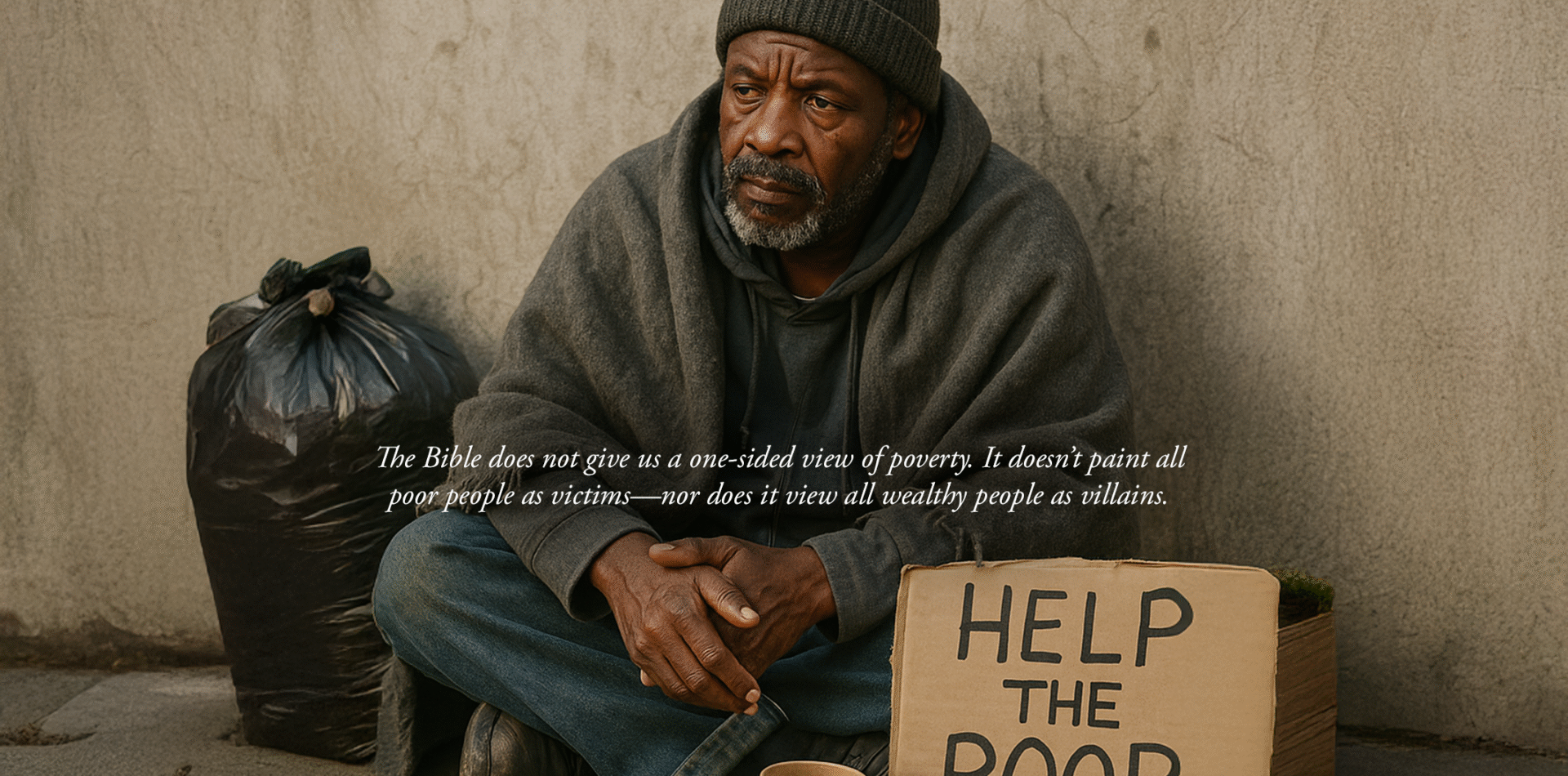
Instead, Proverbs offers balance. It reveals that poverty has many causes—and that not every poor person is innocent, and not every act of charity is wise.
Let’s examine 8 Proverbs that show how helping the poor, when done without discernment, can actually do more harm than good—and confirm each with biblical examples from the lives of God, Christ, or His apostles.
“Delight is not seemly for a fool; much less for a servant to have rule over princes.”
Insight: This verse warns that empowering the wrong person can be destructive. Elevating a fool to privilege or position can harm everyone under his influence.
Biblical Example: King Saul (1 Samuel 15) God commanded Saul to destroy the Amalekites, but Saul spared what looked good. His disobedience stemmed from his lack of wisdom and reverence. He was elevated before he was ready—a fool given delight and power. It led to national consequences.
Application: Promotion without maturity leads to destruction. Wisdom evaluates character before conferring help or honor.
“The desire of the slothful killeth him; for his hands refuse to labour. He coveteth greedily all the day long: but the righteous giveth and spareth not.”
Insight: Some poor people desire much but refuse to work. Helping them without confronting their laziness supports dysfunction.
Biblical Example: Paul’s Rule (2 Thessalonians 3:10)
“If any would not work, neither should he eat.”
Paul rebuked idlers in the church and withheld support from them. Even in the early church, generosity was never separated from responsibility.
Application: Ask yourself—am I supplying needs, or subsidizing sloth?
“He that oppresseth the poor to increase his riches, and he that giveth to the rich, shall surely come to want.”
Insight: This verse rebukes financial exploitation and also warns against misplaced giving. Sometimes giving enriches the wrong person.
Biblical Example: Judas Iscariot (John 12:4–6) Judas criticized Mary for wasting perfume that could have helped the poor. But Scripture reveals he was a thief. His concern was deceitful. Misguided giving can mask corruption.
Application: Generosity must be guided by discernment — not appearance.
“Poverty and shame shall be to him that refuseth instruction: but he that regardeth reproof shall be honoured.”
Insight: Not all poverty comes from injustice. Some comes from rejecting counsel. Helping a person who refuses correction keeps them trapped.
Biblical Example: The Rich Young Ruler (Mark 10:17–22) Jesus told him to sell all and follow Him. The man walked away sorrowful. He wanted the kingdom without correction. He was materially rich, but spiritually poor.
Application: Don’t feed rebellion. Correction must come with compassion.
“There is that scattereth, and yet increaseth; and there is that withholdeth more than is meet, but it tendeth to poverty.”
Insight: This verse teaches that generosity, when wisely practiced, brings blessing — but both stinginess and foolish giving can lead to lack.
Biblical Example: Ananias and Sapphira (Acts 5:1–11) They gave to appear generous but lied about what they kept. God struck them down. Their example reminds us that giving should be holy, honest, and wise.
Application: Give with sincerity and strategy—not for show.
“Go from the presence of a foolish man, when thou perceivest not in him the lips of knowledge.”
Insight: Sometimes the most helpful thing is to create distance from the unteachable. Enabling fools dishonors wisdom.
Biblical Example: Jesus Withdrew from Crowds (John 6:15; Luke 4:29–30) When the people misunderstood His mission or wanted to use Him, Jesus withdrew. He didn’t stay where He wasn’t received in truth.
Application: Compassion doesn’t mean companionship. Sometimes, walking away is wisdom.
“As a dog returneth to his vomit, so a fool returneth to his folly.”
Insight: Repetitive behavior signals a deeper problem. Continuing to help someone who refuses to change is not compassion—it’s complicity.
Biblical Example: Demas (2 Timothy 4:10) Once a fellow worker with Paul, Demas forsook the ministry for love of the world. Some people aren’t ready to be helped. They need repentance first.
Application: Don’t pour blessing into a broken cistern.
“The righteous considereth the cause of the poor: but the wicked regardeth not to know it.”
Insight: True righteousness doesn’t just react to poverty — it investigates. Helping without understanding the cause can do more harm than good.
Biblical Example: The Good Samaritan (Luke 10:30–37) The priest and Levite ignored the wounded man. But the Samaritan took time to understand the situation, took responsibility, and acted wisely.
Application: Don’t just see a need — seek to understand it.
“Though I bestow all my goods to feed the poor… and have not charity, it profiteth me nothing.”
Paul reminds us that even the most sacrificial giving is worthless if not done in true love. And true love includes discipline, discernment, and truth.
“I was hungry… I was thirsty… I was in prison… Inasmuch as ye have done it unto the least of these my brethren, ye have done it unto me.” (Matthew 25:35–40)
No. Jesus does not equate Himself with every suffering person. He says, “the least of these MY BRETHREN.” In Matthew, “my brethren” always refers to His disciples.
Biblical Cross-Reference: Acts 9:4
“Saul, Saul, why persecutest thou me?”
Jesus says that harming believers is harming Him. This confirms that in Matthew 25, He is teaching the Church how to care for one another.
Galatians 6:10 supports this: “Do good unto all men, especially unto them who are of the household of faith.”
Biblical compassion is never careless. It’s never detached from truth. In fact, helping the poor the wrong way can dishonor God, waste resources, enable sin, and undermine accountability.
The Church is not called to fund folly or celebrate irresponsibility, but to lift the broken with wisdom and love.
As you consider how to serve, give, and lead, remember:
Let’s love the poor. Let’s care for the broken. But let’s do it wisely. Let’s do it God’s way.
Want to grow in discernment, stewardship, and biblical wisdom?
Join the Proverbs 12X Community and learn how to multiply results in life, business, and relationships—without sacrificing truth or compassion.
Biblical compassion is never careless. It’s never detached from truth. In fact, helping the poor the wrong way can dishonor God, waste resources, enable sin, and undermine accountability.
The Church is not called to fund folly or celebrate irresponsibility, but to lift the broken with wisdom and love.
As you consider how to serve, give, and lead—remember:
This is what Proverbs—and the entire Word of God—teaches us.
Let’s love the poor. Let’s care for the broken.
But let’s do it wisely. Let’s do it God’s way.
Last modified: July 1, 2025

By Sean Isaacs – The Wisdom Coach, Proverbs 12X “Train

By Sean Isaacs – The Wisdom Coach Inspired by Mark
 When Helping Hurts: The Shocking Truth About What… June 9, 2025
  Welcome to The Proverbs 12X Advantage June 27, 2025
  Social Media Theology: Why It’s Not Enough—and Can… June 8, 2025
  How Proverbs Equips You to Multiply Without Compromise May 25, 2025
  What Should Black Christians Do on the Fourth of July? July 11, 2025
  Meditation, Contemplation, Revelation: The Forgotten… June 8, 2025
  What’s Wrong With Christian Parenting? The Hidden… June 27, 2025
  The First Domain You Must Conquer May 25, 2025
  Truth in Tension: Wisdom, Wealth, and the Poor June 9, 2025
  If You Don’t Let It BREAK You! You Will Get the… June 8, 2025